

Creating a Company Culture that Fuels Growth and Innovation in the Year 2026
Culture Is Now a Core Growth Strategy, Not Just “HR Stuff”
If you run a $3-$10M business, you already know how to work hard. Your team is busy, the calendar is full, and you’ve probably tried more than a few “growth hacks” or new marketing moves along the way. Yet revenue still feels stuck. You’re doing a lot, but you’re not moving as far or as fast as you’d like.
When owners reach this stage, they usually look outward for answers: new tools, new channels, new offers. Those can help, but there’s a powerful lever sitting inside your walls that often gets ignored:
The culture of your business.
What Today’s Workplace and Culture Mean for Your Bottom Line
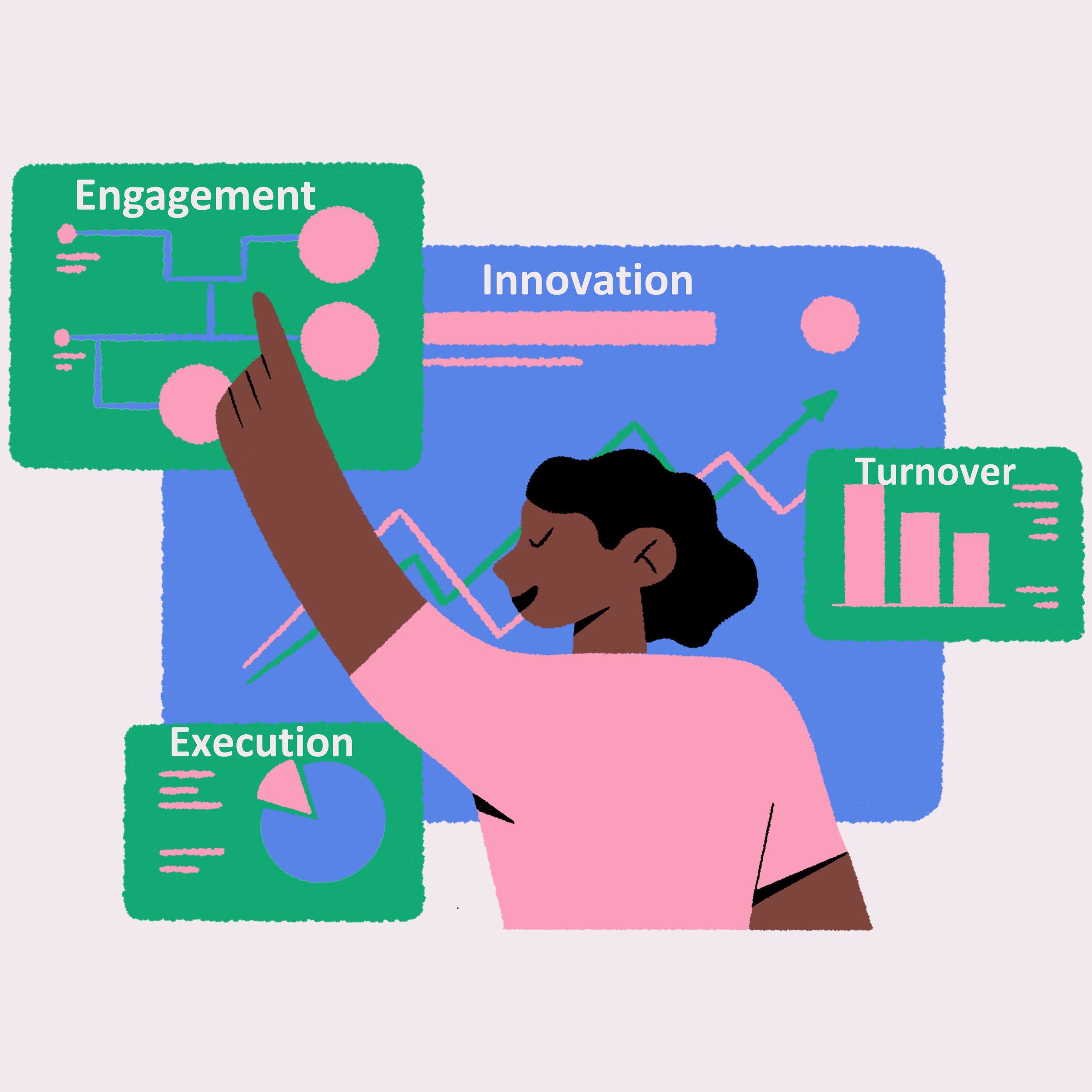
In 2026, culture is no longer a soft, nice-to-have concept handled by HR. It’s a core part of any serious company growth strategy. Research on small and mid-sized enterprises (SME) shows that when culture in the workplace is healthy and engaging, companies see:
89% higher employee engagement
60% lower turnover
And up to 45% higher productivity on highly-engaged teams
That’s not fluff. That’s the difference between a team that drags through the week and a team that shows up thinking like co-owners of the business.
In this article, we’ll make firm culture practical. We’ll look at what defining company culture really means, how it connects directly to your growth plan, and how you can build a workplace and culture that finally supports the level of success you’re aiming for.
How Firm Culture Drives Modern Business Growth Strategies
You can’t fix what you can’t see. When most owners think about why growth has slowed, they look at external factors: the market, the competition, the economy. Those matter—but they’re only half the story.
The other half lives inside your walls, in the way your people work together every day. That’s your firm culture.
When we talk about defining organizational culture, we’re not talking about a poster in the lobby. We’re talking about the unwritten rules that govern how decisions get made, how problems are surfaced (or buried), and how people behave when you’re not in the room. That’s what quietly shapes whether your business growth strategies actually stick, or stall out after the kickoff meeting.
Defining Company Culture in Plain Language
Think about a normal week in your business:
When a customer issue arises, do people collaborate to solve it — or look for someone to blame?
When an employee spots an opportunity, do they feel safe to speak up — or decide it’s easier to stay quiet?
When change is needed, does your team lean in — or dig in?
Those patterns are your business culture in action. In practical terms, defining company culture means answering one question: “What do we want ‘normal’ to look like around here, and does our current normal support our growth plan?”
Workplace Culture Examples: When Corporate Culture Helps, or Hurts, Growth
A healthy workplace culture tends to have a few things in common: trust, clarity, psychological safety, and a shared sense of purpose.
Unhealthy cultures often show up as silos, fear of mistakes, and quiet resignation. The strategy deck might say “innovation,” but day-to-day behavior says “don’t rock the boat.”
Current research is blunt: supportive, high‑trust organizational corporate culture drives higher satisfaction, creativity, and problem‑solving, while stagnant culture stalls innovation and growth.
Around 72% of culture‑change efforts fail when they are mostly perks or slogans; over half of employees feel worse when programs look like band‑aids.
By contrast, when leaders genuinely change how they behave — how they communicate, recognize effort, and make decisions — trust in leadership rises by 26%, and employees are far more likely to describe a healthy, high‑performance environment.
For an SME, that means firm culture isn’t separate from your business growth plan. It’s one of the main engines that will either move it forward, or quietly hold it back.
Align Your Culture & Values with a Concrete Business Growth Plan
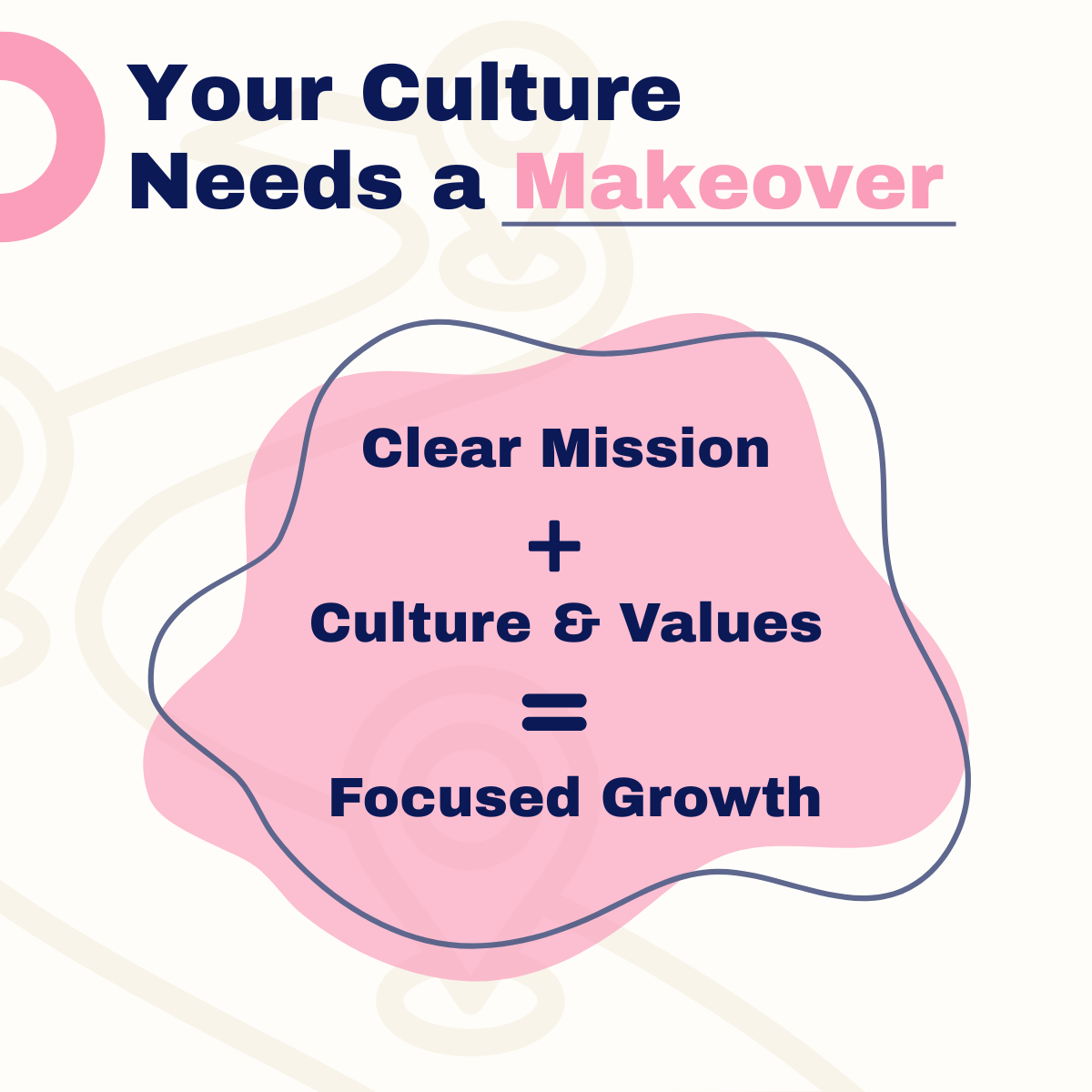
When culture feels fuzzy, people default to doing whatever seems urgent. That’s how you end up with a busy team and a flat line on your revenue chart. To change that, your culture and values need to hook into a clear, specific business growth plan.
Defining Company Culture Around a Measurable Mission
Most mission statements sound nice, but don’t guide real decisions. If you want your business culture to support growth, your mission has to be concrete.
Instead of “be the best in our industry,” try something like:
“Grow from $5M to $8M in revenue over the next 3 years by becoming the go‑to solution in our niche, while maintaining top‑tier customer satisfaction.”
Now your team has a story they can step into, not just a slogan. Research shows that purpose‑driven workplaces, where people see how their work ties to the mission, have up to 50% better retention of high performers.
From there, connect your company's core values (your real, lived values — things like curiosity, accountability, and customer focus) directly to that mission. Ask:
“How does this value show up in our daily decisions?”
“Does our current behavior match what we say we value?”
When your culture and values are anchored to a specific growth goal, culture stops being abstract. It becomes the way your team helps you execute a very real, very intentional growth strategy.
From Company Core Values to Daily Habits: Work Culture Examples That Actually Grow Revenue
Many owners define values and a growth mission, and then nothing in the day‑to‑day changes. The posters look great, but the numbers don’t move. The missing link is turning those ideas into visible, repeatable habits.
If you want a growth‑focused culture in a business, you have to decide what “normal” looks like on a Tuesday afternoon.
In practice, defining workplace culture means asking: “What do we consistently do here that proves what we say we value?”
Start with your company's core values or core corporate values, for example:
Curiosity
Accountability
Customer focus
Then choose 3–5 Critical Actions that make those values real and support your business growth plan. For instance:
A 15‑minute weekly KPI huddle tied to your growth strategy
A short customer story in each team meeting
A monthly “test and learn” slot for a new offer, message, or process
These are simple work culture examples, but over time they become your live company culture examples. They link your strategy and business development work to what your team actually does, so values stop being words on a page and become the operating system that powers growth.
Defining Corporate Culture Around Psychological Safety and Learning
If your people are afraid to make a mistake, they’ll be afraid to try something new. That’s a quiet but powerful drag on any company's growth strategy.
In real terms, defining corporate culture means deciding how your business treats risk, feedback, and failure. In a rigid corporate culture, people learn to stay in their lane and avoid anything that might backfire. In a healthy business culture, the question shifts from “Who’s to blame?” to “What did we learn?”
Business Culture Examples: Turning “Failure” into Fuel for Growth
Modern research on organizational corporate culture is clear: teams with high psychological safety are far more effective and much more likely to innovate. They share ideas earlier, solve problems faster, and actively support a business's growth plan rather than waiting to be told what to do.
You can build this into your own culture of a business with a few simple habits:
Short “What went well? What can be improved?” debriefs after projects
You, as the owner, share your own missteps and adjustments
Praising thoughtful experiments, not just perfect outcomes
These small shifts speak loudly about your culture and values. They tell your team that smart risks are welcome, and that learning is part of how your business growth strategies turn into real‑world progress.
Enterprise Culture Examples: Distributed Innovation as a Growth and Strategy Engine
If every new idea has to come from you, your business will always grow more slowly than it could. For SME owners, that’s a common ceiling: the owner remains the main strategist while everyone else executes.
Modern enterprise culture examples point to a different model, distributed innovation. Instead of a single brain at the top, you build an organizational culture where ideas can come from any level.
Organizations that embrace this see meaningful gains:
Up to 5× more implementable ideas
Roughly 60% faster time‑to‑market for new initiatives
Employee satisfaction increases of 25–30%
Rather than relying only on external growth strategy consulting services, you turn your own people into an internal advisory team. You still set the company growth strategy, but your firm culture invites your team into how you get there.
For an SME, start small:
Quarterly “innovation sprints” focused on your business development strategy or new market development strategies
A simple idea pipeline tied to your business growth plan
A modest innovation budget teams can use to pilot ideas that support your marketing and growth strategy
Framed this way, distributed innovation becomes a modern company development strategy that fuels organic growth and business results.
Corporate Culture Examples: Using Recognition to Power Company Development Strategy
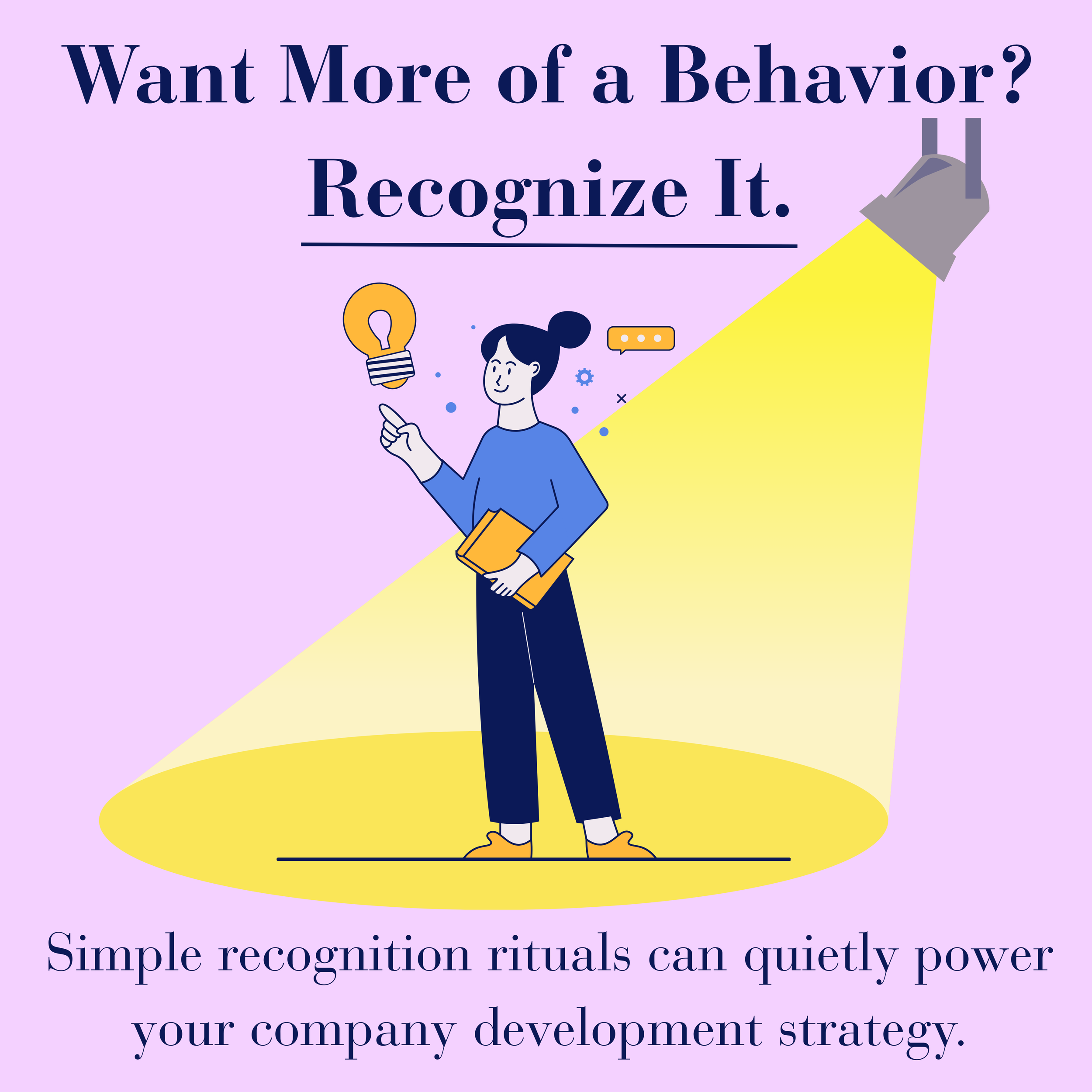
One of the simplest ways to shape a business's culture is to shine a light on the right behaviors. You don’t need a giant budget or a complicated program. You need consistent, sincere recognition that tells your team, “This is what matters here.”
Research on organizational corporate culture shows that 72% of employees say frequent recognition boosts their loyalty and sense of purpose. When recognition stories are shared widely, teams are 11× more likely to behave inclusively and about 2× more likely to try new ideas. In other words, recognition is a quiet but powerful growth tool.
Reinforcing Culture and Values with Simple Recognition Rituals
Think in terms of simple work culture examples you can repeat:
A quick “celebrate experiments” segment in team meetings, praising initiative and learning, not just perfect wins
A Slack or Teams kudos channel for peer‑to‑peer shout‑outs
A small “Innovator of the Month” highlight for someone who lived your culture and values in a meaningful way
This is where strong company core values and core corporate values become real. If one of your values is “customer focus,” for example, spotlight business culture examples where a team member improved a customer touchpoint that supports your marketing and growth strategy.
Over time, consistent recognition conditions your enterprise culture to repeat the behaviors that power your business growth plan. You’re not just telling people what you want, you’re rewarding it, which is far more effective.
Modern Tools, Human Culture: Technology’s Role in Company Strategy Development
In 2026, it’s tempting to think the next app will fix everything. But software can’t replace a healthy business culture. Tools should support your organizational corporate culture, not stand in for real leadership.
Used wisely, though, technology can make it easier to live your culture and values and to execute your company's strategy.
Supporting Organizational Corporate Culture with Smart Tech Choices
A few practical options:
AI for insight and ideation
Use AI to scan customer feedback, spot patterns, and generate options for your marketing and growth strategy. It can help you weigh scenarios and make clearer business growth strategy decisions, but you and your team still choose the path.Collaboration and feedback tools
Platforms like Slack, Teams, or Asana reduce silos and make strategy and business development work more transparent, strengthening your corporate culture. Simple pulse surveys or feedback tools help you listen; companies that act on feedback are far more likely to hit performance goals.
As a modern business growth strategist, I always suggest asking your team which tools genuinely help them work better. Start small, keep it people‑first, and let technology amplify the culture you’re intentionally building.
Designing a Culture of a Business That Supports Long-Term Company Organic Growth
Building a growth‑focused culture isn’t one big project. It’s a series of small, intentional choices.
You tie a clear mission to a business's growth plan. You turn your culture and values into simple Critical Actions. You build psychological safety so failure becomes learning, not blame. You invite distributed innovation, recognize the behaviors you want more of, and use modern tools to support, rather than distract from, the culture of a business.
Over time, those choices become a steady company development strategy that supports real, sustainable growth.
If you’d like help putting this into practice, you have two easy next steps:
Schedule a complimentary consultation with me to shape a culture‑backed business growth strategy, or
Download my High Impact Priorities Worksheet to clarify where to focus first in your business and your culture.